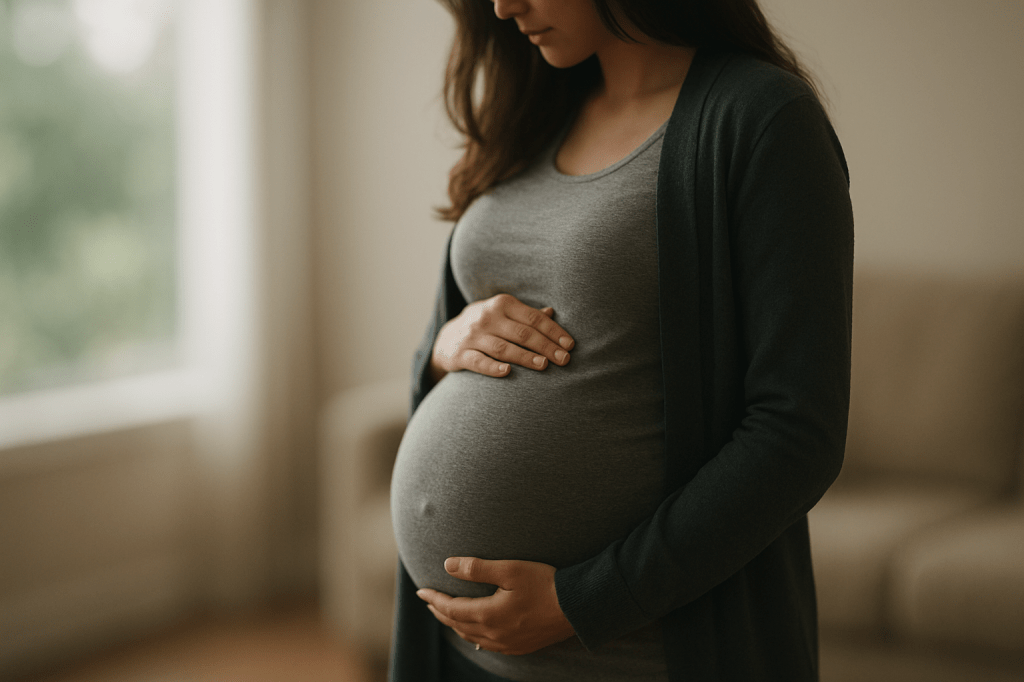

In recent years, the world has faced unprecedented challenges: pandemics, economic instability, and social upheaval. Yet, beneath these headline-grabbing events, quieter but equally profound shifts are taking place. One such change is the decline in birth rates being reported in multiple countries.
While declining fertility can stem from a range of factors (economic pressures, lifestyle choices, delayed parenthood), new research from the Czech Republic introduces a biological dimension to the discussion that we cannot afford to overlook.
A comprehensive study analyzed the reproductive outcomes of 1.3 million women aged 18 to 39, covering nearly the entire childbearing population in that age group. Unlike many countries, the Czech Republic maintains detailed records that connect birth outcomes to COVID-19 vaccination status. This allowed researchers to directly compare successful conceptions (those that resulted in live births) between vaccinated and unvaccinated women.
The findings were stark: birth rates were approximately 30% lower among vaccinated women compared to their unvaccinated peers, a difference that persisted across 2021, 2022, and 2023. This was not a small, isolated dataset; it spanned more than two years and tracked the population month by month.
Why does this matter? Because shifts in fertility ripple far beyond individual families. Declining birth rates can influence economic growth, strain social systems, and reshape demographic balance for generations. And while it’s tempting to attribute the drop to pandemic-related stress or delayed family planning, the biological patterns in this dataset suggest a need for deeper investigation.
The study does not claim causation. It’s possible that women planning pregnancies were more likely to remain unvaccinated, or that those vaccinated had other reasons for postponing children. But it does raise biologically plausible questions. Could menstrual cycle changes, effects on ovarian follicles, or alterations in the uterine lining play a role? Could immune responses triggered by vaccination influence early pregnancy viability? These are not conspiracy-laden questions; they are legitimate scientific inquiries that deserve thorough, transparent research.
Unfortunately, reproductive outcomes were not systematically studied in the original COVID-19 vaccine trials. That omission now feels significant. Without data, we’re left with speculation where we should have clarity. And as the Czech Republic’s example shows, much of the world lacks the comprehensive health record systems needed to even ask these questions at a population level.
If we value both public health and public trust, we must be willing to investigate findings like these, openly, without fear, and with a commitment to follow the evidence wherever it leads. Fertility is not just a personal matter; it’s a cornerstone of societal stability.
Here, the goal is not to stoke fear, but to invite thoughtful engagement. Just as we question our food systems, our energy use, and our connection to nature, we should be equally willing to examine how new medical technologies may influence the most fundamental of human capacities: the ability to create new life.
This data may point to a transient effect, a longer-term concern, or an unrelated correlation. Either way, the conversation must start now. We owe it to future generations to understand, and to act, before questions turn into consequences.

 Purely Rooted.
Leave a comment